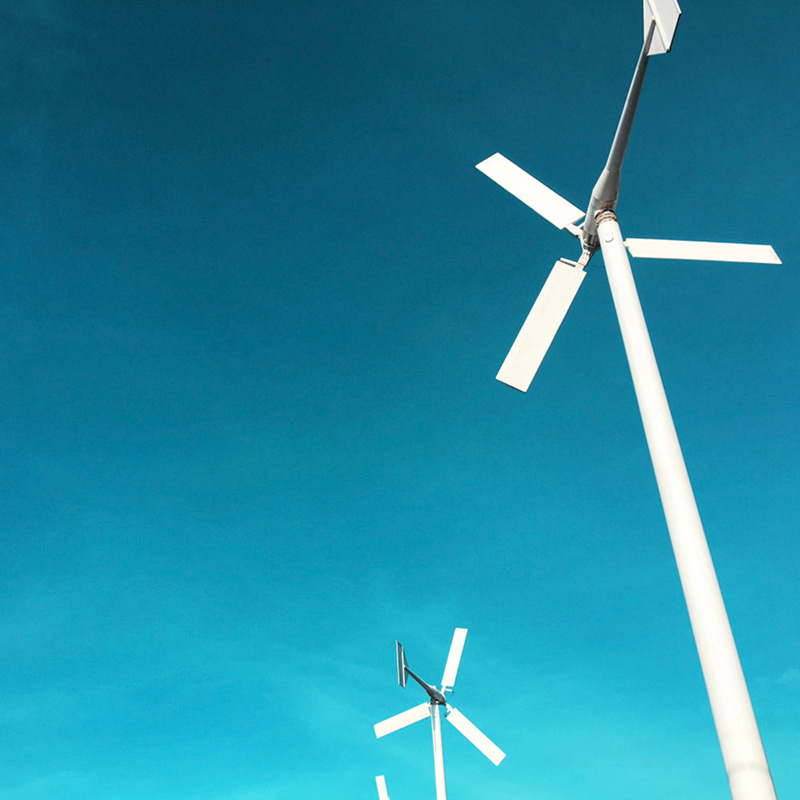
U.S. demand as Nd metal equivalent is expected to grow from 3,500 metric tons in 2026, worth $389 million to 25,500 metric tons in 2035 worth $2,810 million, with a 2026-2035 metric ton CAGR of about 25.0%. Domestically, electric vehicles will consume more than 10,000 tons by 2030 and 23,000 tons by 2050. Domestic wind turbine-driven demand will increase to over 10,000 tons in 2030 and 19,000 tons in 2050. Together, these critical infrastructure products will make up almost 55 percent of total U.S. demand in 2030 and over 61 percent of total U.S. demand by 2050.
The European Union Nd metal equivalent demand is expected to grow from 6,000 metric tons in 2026 worth $660 million to 30,000 metric tons in 2035 worth $3,300 million with a 2026-2035 metric ton CAGR of about 19.5%. The USA and EU show faster % growth due to policy driven localized production. Analysts predict a global annual Nd metal shortage by 2030 without additional production growth.
Recently announced investments in the Mine-to-Magnet initiatives will not meet the projected U.S. magnet demand forecasts. A major constraint is the lack of domestic rare earth metal and alloy production, which 4f Orbital intends to fill. The NdFeB magnet industry will continue to struggle to fulfill total critical infrastructure demand from non-China sources, and some U.S. NdFeB magnet manufacturers may continue to rely on imported metal and alloy feedstocks to produce NdFeB magnets.